Mayan Gods
Mayan
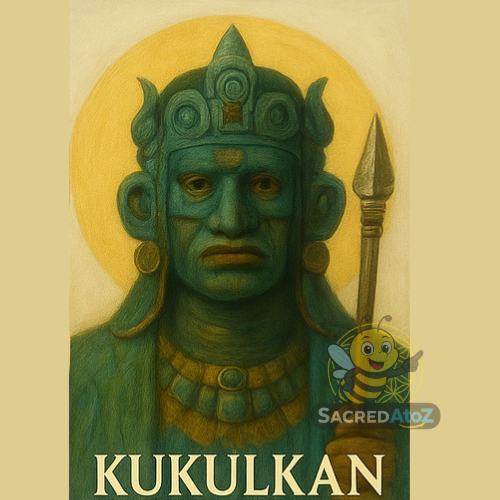
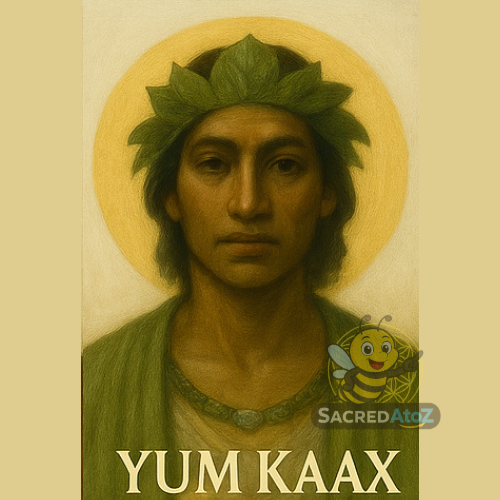
Description
The Mayan Pantheon is a vast and intricate reflection of a civilization that saw the cosmos as a living, breathing organism—interwoven with gods, ancestors, and celestial cycles. Rooted in the jungles and highlands of Mesoamerica, the Maya built a theology that married mathematics with myth, astronomy with spirit. Their gods were not remote immortals, but dynamic powers who aged, died, and were reborn with the turning of the stars and the beating of the sacred calendar. The Mayan worldview saw creation as perpetual renewal—life emerging from sacrifice, order sustained by offering, and time itself as divine consciousness in motion.
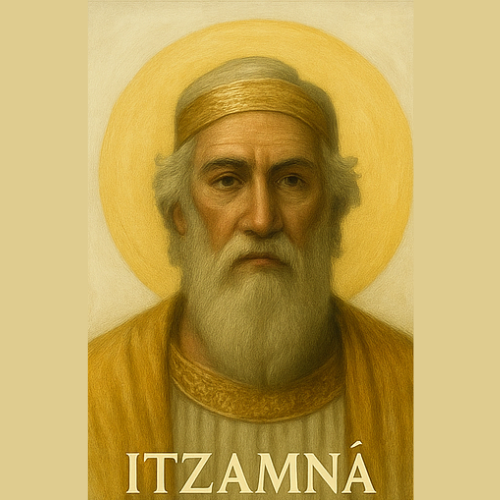
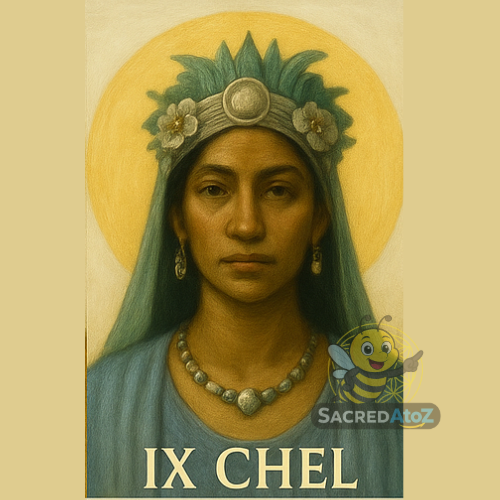
The pantheon is a symphony of dualities: light and darkness, male and female, life and decay. At its summit stand the Creators—the Heart of Sky (Huracán) and the Heart of Earth (Gucumatz), who breathed life into the world. Yet even they were part of a larger web of gods who maintained the cosmic order. Itzamná, the aged god of wisdom and writing, presided over knowledge and creation, while his consort Ix Chel, the moon goddess, governed childbirth, weaving, and healing. Together they represented the eternal dance between creation and dissolution, intellect and fertility.
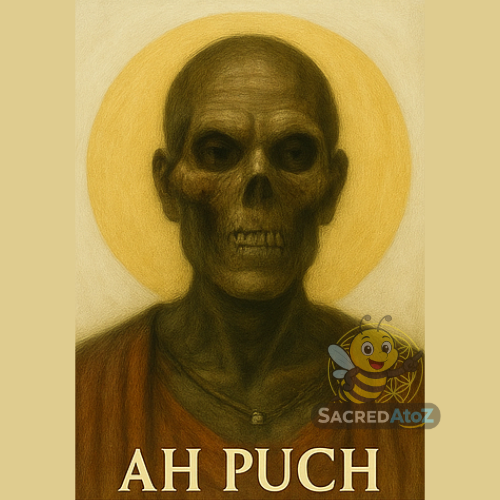
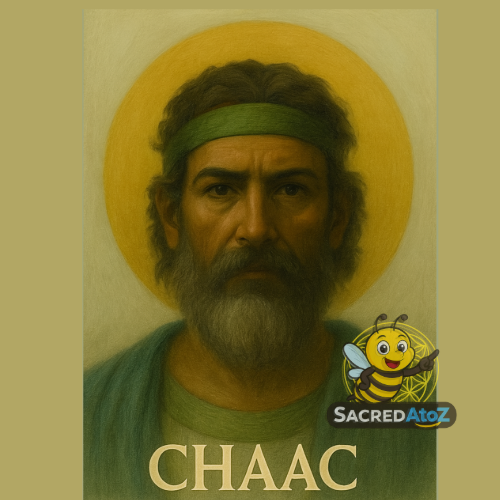
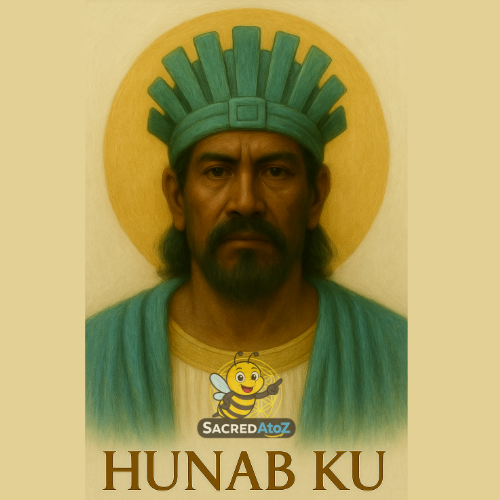
Among the divine forces were the Hero Twins, Hunahpú and Xbalanqué, champions of humanity whose journey through the underworld embodied the triumph of light over darkness. Their story, told in the Popol Vuh, became a cosmic allegory of death, rebirth, and renewal—the rhythm by which the maize itself grows from the earth. Chaac, the thunder god, brought rains that sustained the crops; K’inich Ajaw, the sun god, illuminated the world by day; and Ah Puch, lord of death, ruled over the skeletal courts of Xibalba, where even gods must reckon with mortality.
To the Maya, the universe was structured as a great World Tree—its roots in the underworld, its branches reaching the heavens, and its trunk the living earth. Each direction had a color, a meaning, and a divine guardian: east (red) for birth and sunrise, west (black) for death and dusk, north (white) for ancestors, and south (yellow) for growth and maize. This sacred geometry bound heaven, earth, and the underworld into a single eternal order—one that required harmony through ritual, calendar, and sacrifice.
The Mayan gods were not only cosmic beings but moral mirrors. They demanded reciprocity: humans gave offerings of corn, jade, blood, and prayer, and the gods in turn sustained the rains, fertility, and balance of the world. The rulers of Maya city-states acted as mediators between divine and mortal realms, reenacting creation in ritual, dance, and bloodletting—acts that ensured the sun’s daily return. Every act of devotion was an echo of the first dawn, a reminder that existence itself is a sacred agreement.
Even after the fall of the ancient cities, the Mayan gods endured in the hearts of their descendants. Their names changed, their temples crumbled, but the essence of their theology—balance, sacrifice, and renewal—survived through the centuries. In the rustle of the ceiba trees and the rising of Venus, the old gods still speak, reminding humankind that time is not a straight path but a sacred circle, and that creation, like maize, is born again with every dawn.
Mayan Gods Creation Myth
In the beginning, there was silence. The sky was empty, the sea still. No land, no sun, no moon, no stars—only the great calm of the primordial waters. From this silence emerged the Heart of Sky—Huracán—and the Heart of Earth—Gucumatz. These divine intelligences spoke together, their words the first sound to ripple through the void. “Let there be light, and let there be creation,” they said, and thus began the shaping of the world. Their speech was the power of manifestation itself—the breath that called existence out of nothing.
The Shaping of the EarthThe gods gathered the waters and revealed the mountains. The plains and valleys appeared as they spoke, and rivers flowed where their words touched the land. They summoned the animals and birds, asking them to praise the divine. Yet when the creatures could not speak, the gods decreed that they would serve as food and companions for those yet to come. Thus, the first attempt at life failed—not from rebellion, but from silence.
The Creation of HumanityThen the gods shaped beings of clay, but they dissolved in the rain. They made beings of wood, but they were hollow—soulless, without memory or devotion. These wooden people walked the earth without reverence, and so the gods sent fire and flood upon them. The survivors were transformed into monkeys, left to dwell in the forests as reminders of human folly. It was the third creation—and like the first two, it fell into ruin.
Finally, the gods turned to the sacred maize, the life-blood of the world. From yellow and white corn they ground the dough of flesh, and from divine water they shaped the hearts of humankind. The first true people were born—Jaguar Quitze, Jaguar Night, Not Right Now, and Dark Jaguar—the ancestors of the Maya. Their bodies were strong, their sight divine. They saw too much—into the heavens and into the heart of creation itself. Fearing their power, the gods clouded their vision, granting them mortality and limitation so they might live in balance with the divine order.
The Journey of the Hero TwinsIn time, the gods tested humankind through the story of the Hero Twins, Hunahpú and Xbalanqué. Descendants of divine lineage, they descended into Xibalba, the underworld, to avenge their father’s death and challenge the Lords of Death to their own game. Through cunning, sacrifice, and resurrection, they triumphed—ascending into the sky as the sun and moon. Their journey symbolized humanity’s eternal cycle: death as transformation, and sacrifice as the seed of renewal.
The Fifth Sun and the Living WorldWith balance restored, the gods created the Fifth World—the age of maize and mortal blood. In this world, the sun rises only through offering; the rain falls only through reverence. Humanity’s existence became sacred duty—to remember, to speak, to give thanks. Every harvest, every dawn, every eclipse is a re-enactment of that first divine conversation between sky and earth.
Thus, the Mayan cosmos is a living covenant. The gods gave life from their own essence, and humankind must return life through prayer and ritual. Creation is not a single event but a pulse that continues through all time. To honor it is to keep the world alive; to forget is to let it fall into silence once more.
Even now, when the wind moves through the maize fields, it is said to be the breath of Huracán—the Heart of Sky—whispering the first words ever spoken: “Let there be light. Let there be life.”
