


Olympian
Greek
Gods & Deities 13
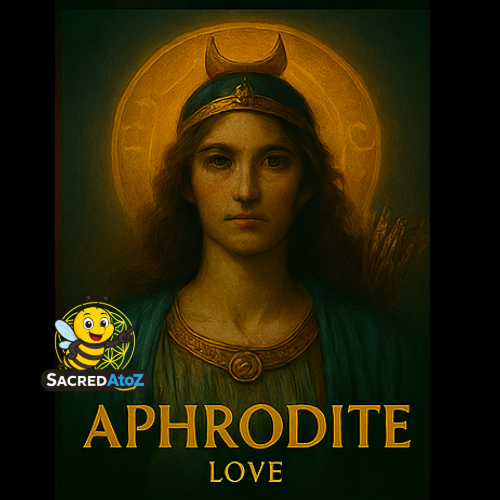
Aphrodite
Goddess of Love
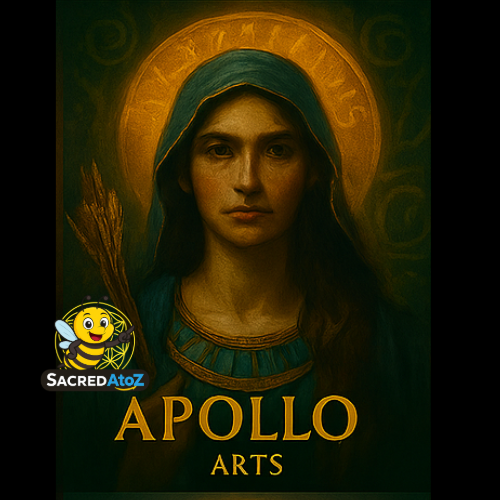
Apollo
God of Sun and Arts
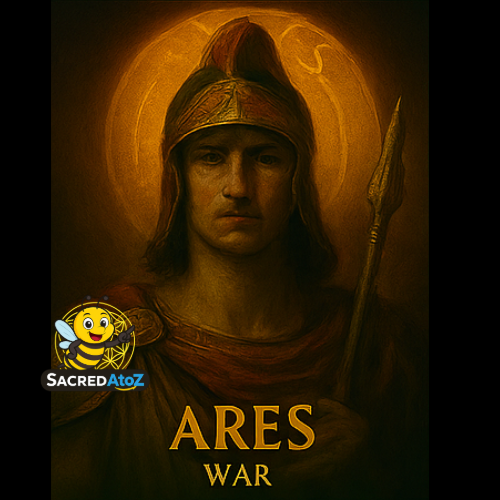
Ares
God of War
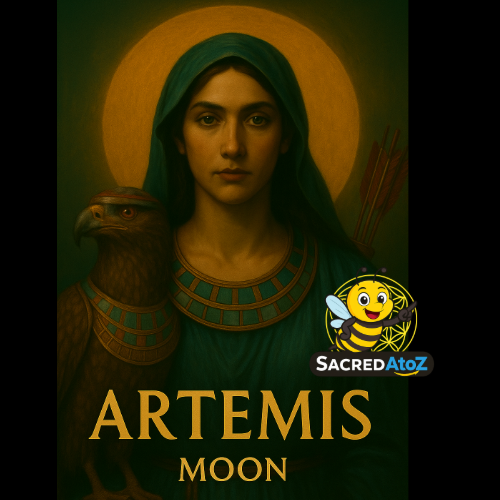
Artemis
Huntress
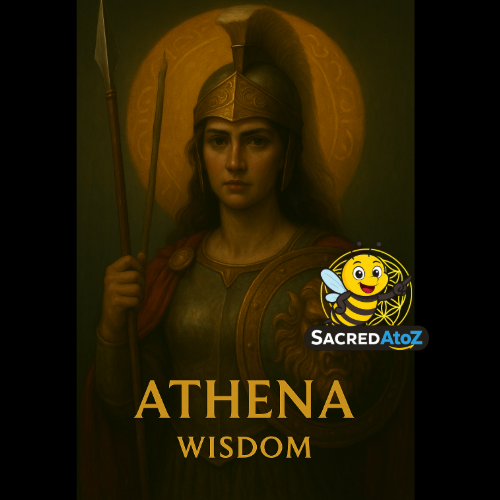
Athena
Goddess of Wisdom
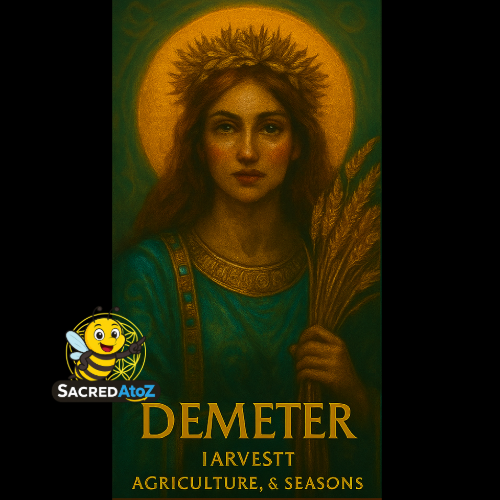
Demeter
Goddess of Harvest
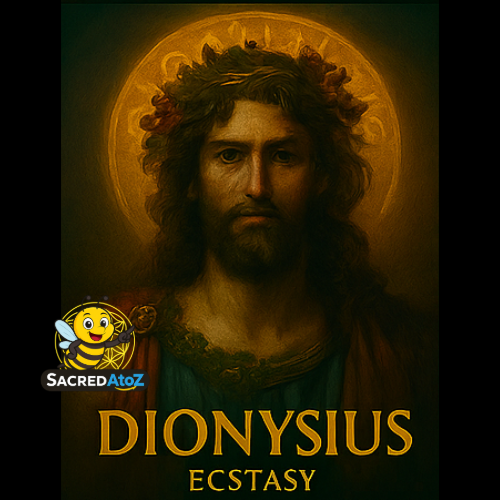
Dionysus
God of Wine
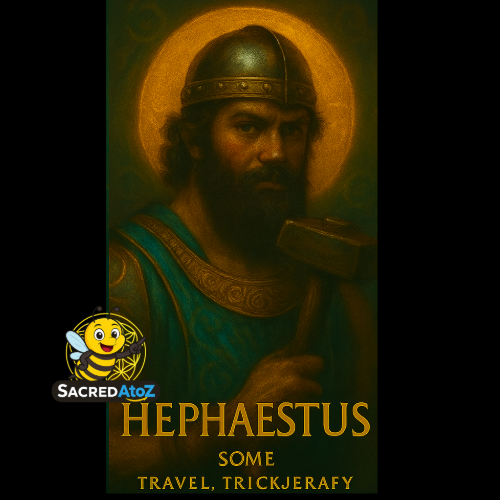
Hephaestus
Divine Smith

Hera
Queen of the Gods
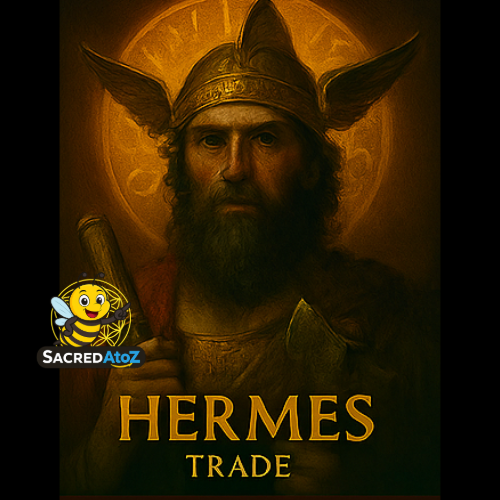
Hermes
Messenger God
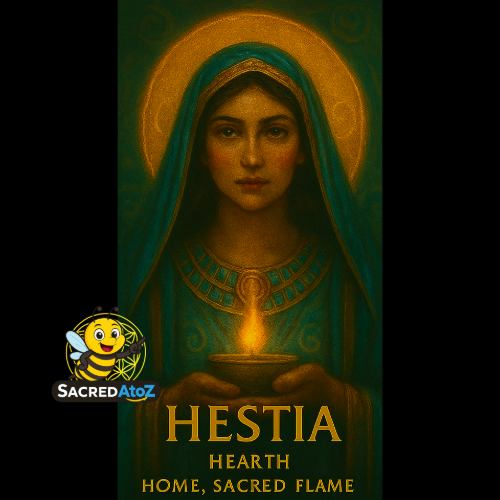
Hestia
Goddess of the Hearth

Poseidon
Earth-Shaker
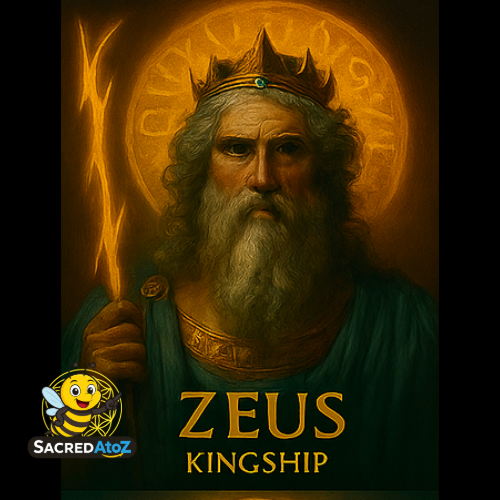
Zeus
King of the Gods, Lord of the Sky
Description
The Olympian Gods are the principal deities of ancient Greek mythology, residing atop Mount Olympus, the highest peak in Greece and the symbolic seat of divine authority. These gods emerged victorious from a cosmic struggle against the Titans and established a new order rooted in justice, balance, and the rule of law. Each Olympian governs a distinct domain of nature, human experience, or cosmic principle, forming a pantheon that reflects the complexity and beauty of the Greek worldview.
Divine Hierarchy and Domains
- Zeus: King of the gods, ruler of the sky, and wielder of thunder. He upholds justice and cosmic order.
- Hera: Queen of the gods, goddess of marriage, family, and regal authority. She is both powerful and vengeful.
- Poseidon: God of the sea, earthquakes, and horses. His trident commands the oceans and tempests.
- Demeter: Goddess of agriculture, grain, and the fertility of the earth. She governs the cycles of life and death.
- Athena: Goddess of wisdom, strategy, and crafts. Born from Zeus’s head, she embodies intellect and civic virtue.
- Apollo: God of the sun, music, prophecy, and healing. He represents harmony, reason, and divine insight.
- Artemis: Goddess of the moon, the hunt, and wild animals. A virgin protector of women and nature.
- Ares: God of war and bloodlust. He personifies the brutal and chaotic aspects of conflict.
- Aphrodite: Goddess of love, beauty, and desire. Born from sea foam, she enchants gods and mortals alike.
- Hephaestus: God of fire, metalwork, and invention. A divine craftsman who forged weapons and wonders.
- Hermes: Messenger of the gods, patron of travelers, commerce, and trickery. He guides souls to the underworld.
- Hestia (or Dionysus): Goddess of the hearth and domestic harmony, or god of wine, ecstasy, and transformation—depending on the tradition.
Spiritual Concepts
- Moira: The force of fate, even the gods are subject to its decrees.
- Arete: The pursuit of excellence and fulfillment of one’s divine or mortal potential.
- Xenia: The sacred law of hospitality, overseen by Zeus and central to Greek ethics.
Cultural Reach
The Olympians were worshipped across the Greek world through temples, festivals, and oracles. Their myths shaped epic poetry, drama, philosophy, and art—offering moral lessons, cosmic explanations, and archetypal stories that endure to this day. From the Parthenon to the Olympic Games, their legacy continues to inspire modern culture, symbolizing the eternal interplay between power, passion, wisdom, and fate.
Olympian Creation Myth
The Olympian creation myth is a sweeping tale of cosmic birth, divine rebellion, and the triumph of order over chaos. Rooted in ancient Greek tradition and immortalized by poets like Hesiod, it traces the lineage of the gods from primordial forces to the twelve Olympians who ruled from Mount Olympus. This myth reflects Greek ideals of balance, justice, and the power of intellect over brute force.
Chaos and the First PrimordialsIn the beginning, there was only Chaos—a vast, formless void. From Chaos emerged the first primordial beings: Gaia (Earth), Tartarus (the Abyss), Eros (Love), Nyx (Night), and Erebus (Darkness). Gaia gave birth to Uranus (Sky), and together they formed the first divine union, producing the Titans, the Cyclopes, and the Hecatoncheires—giants with a hundred hands.
The Tyranny of UranusUranus feared his children and imprisoned them within Gaia’s womb. In pain and fury, Gaia forged a sickle and urged her son Cronus to rebel. Cronus ambushed Uranus, castrated him, and cast his remains into the sea. From Uranus’s blood sprang the Furies, Giants, and Meliae (ash-tree nymphs). From the sea foam around his severed parts emerged Aphrodite, goddess of love and beauty.
The Age of the TitansCronus became ruler of the cosmos, ushering in the Titan age. He married his sister Rhea, and they bore the first Olympians: Hestia, Demeter, Hera, Hades, Poseidon, and Zeus. But Cronus, fearing a prophecy that his children would overthrow him, swallowed each newborn. Rhea, desperate to save her youngest, hid Zeus in a cave on Crete and gave Cronus a stone wrapped in swaddling clothes.
The Titanomachy – War of the GodsZeus grew in secret, nourished by divine goats and protected by nymphs. Upon reaching maturity, he returned to confront Cronus. With the help of Metis, he forced Cronus to vomit up his siblings. United, the young gods waged a ten-year war against the Titans, known as the Titanomachy. They freed the Cyclopes, who gifted Zeus his thunderbolt, Poseidon his trident, and Hades his helm of invisibility.
After a climactic battle, the Olympians triumphed. Zeus cast the defeated Titans into Tartarus, guarded by the hundred-handed Hecatoncheires. Cronus was either imprisoned or exiled, depending on the version.
The Division of RealmsWith victory secured, the three brothers divided the cosmos: Zeus took the sky and became king of the gods; Poseidon ruled the seas; and Hades governed the underworld. The earth and Mount Olympus remained shared domains, watched over by all gods and bound by the laws of Moira (Fate).
The Rise of the OlympiansThe twelve Olympians—Zeus, Hera, Poseidon, Demeter, Athena, Apollo, Artemis, Ares, Aphrodite, Hephaestus, Hermes, and Hestia (or Dionysus in some versions)—became the principal deities of Greek religion. They ruled from Mount Olympus, each embodying aspects of nature, human emotion, and cosmic law.
Zeus upheld justice and order; Hera governed marriage and queenship; Athena represented wisdom and strategy; Apollo presided over music, prophecy, and healing; Artemis guarded the wild and the moon; Ares embodied war; Aphrodite inspired love and desire; Hephaestus forged divine tools; Hermes guided souls and commerce; Demeter nurtured agriculture; Hestia kept the hearth; and Dionysus brought ecstasy and transformation.
Symbolism and Sacred LegacyThe Olympian myth is a tale of succession, rebellion, and divine balance. It reflects Greek beliefs in cosmic justice, intellectual triumph, and the inevitability of fate
Greek temples, festivals, and rituals honored these deities across the Mediterranean. Their stories inspired epic poetry, drama, philosophy, and art. Even today, the Olympians remain cultural icons—symbols of power, beauty, and the eternal dance between chaos and order.
