


 Mercury
 Water
Water





Divine Power
Master of wisdom, creation, and the life-giving waters of the deep.

Lord of the Abzu, Keeper of Sacred Waters
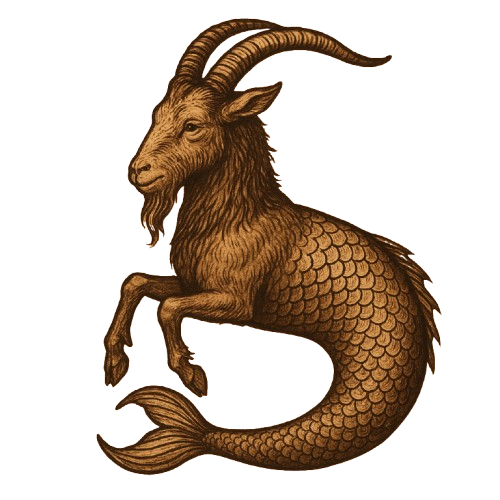
Master of wisdom, creation, and the life-giving waters of the deep.
In the primordial darkness before creation's dawn, when the cosmic waters of Apsu and Tiamat first mingled in eternal embrace, there emerged Enki, the Wise One, born of the deepest currents of existence itself. Son of Anu, the supreme sky god whose dominion stretches across the celestial vault, and grandson of Anshar and Kishar—the cosmic horizons that define heaven and earth—Enki's divine essence was woven from the very fabric of wisdom and the flowing waters that sustain all life.The ancient tablets speak of his birth within the Abzu, the sacred freshwater ocean that lies beneath the earth, where he emerged not as a helpless infant but as a fully formed deity radiating intelligence and creative power. His first breath stirred the primordial waters, causing springs to bubble forth across the land. His first words became the incantations that would later govern magic and wisdom. His first steps upon the muddy banks of creation left footprints that became the first riverbeds, channels through which his life-giving waters would forever flow.
From the moment of his divine awakening, Enki demonstrated the duality that would define his cosmic role: he was both the orderly force that brought structure to chaos and the rebellious spirit that questioned absolute authority. While his father Anu ruled from the distant heavens and his brother Enlil commanded the winds and storms from his mountain throne, Enki chose the depths—the mysterious realm where wisdom accumulates like sediment and where the secrets of creation lie hidden in darkness....
Father: Anu, the sovereign of the heavens, ruler of destiny and divine authority
Mother: Nammu (in some traditions), the primordial goddess of the waters from whom all gods were born
Brothers: Enlil, lord of wind and storm, ruler of the earth's surface; various other Anunnaki deities
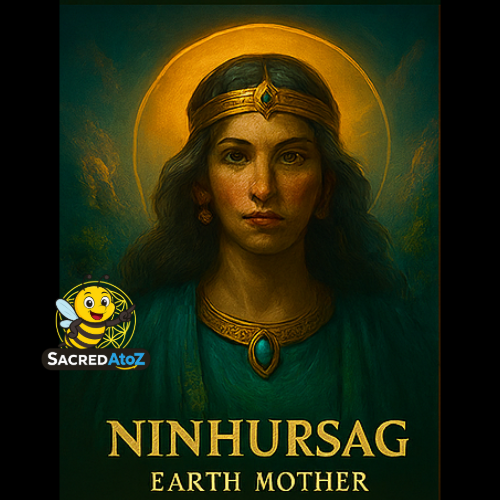
Primary Consort: Ninhursag (also known as Ninmah), the great mother goddess of the earth
Children: Marduk (in Babylonian traditions), Asarluhi, Ninsar, Ninkurra, Uttu, and numerous other divine and semi-divine offspring
Enki's union with Ninhursag represents one of the most fundamental cosmic partnerships in Sumerian theology—the eternal dance between water and earth, between the flowing creative force and the stable nurturing ground. Their relationship embodies both harmony and tension: while water brings life to earth, it can also erode and reshape it. Ninhursag, as the mother of all living things, provides the fertile soil into which Enki's life-giving waters flow, creating the conditions necessary for all terrestrial life.
Yet their marriage was not without its trials and contradictions. The myths speak of their passionate affairs, their creative collaborations in shaping humanity, and their occasional conflicts over the proper boundaries between their respective domains. Through Ninhursag, Enki learned the deep mysteries of birth and growth, while she gained access to the flowing wisdom that comes from the depths of existence.
Authority: Enki wielded power not through force or commanding presence, but through wisdom, craft, and the subtle influence of water that finds its way around every obstacle. His authority was that of the counselor and the clever problem-solver rather than the thundering king. He ruled over the Abzu, the subterranean realm of fresh water, from his magnificent temple-palace Eridu, where he held court among the sacred carp and dispensed wisdom to gods and mortals alike.
Wisdom: Above all other qualities, Enki embodied divine wisdom—not merely knowledge, but the profound understanding that comes from seeing beyond surface appearances into the hidden connections that bind all things. He was the keeper of the me, the sacred principles that govern civilization, technology, and culture. His wisdom was both creative and subversive: he taught humanity the arts of civilization while secretly protecting them from the wrath of other gods.
Desire: Enki's passions were as deep and flowing as the waters he commanded. He desired not conquest but creation, not destruction but transformation. His loves were numerous and varied—he was drawn to beauty, fertility, and the endless potential for new life. Yet his desires often led him into complex entanglements that reflected the creative chaos inherent in his nature.
Wrath: When roused to anger, Enki's wrath was like a flood—devastating but ultimately cleansing. Unlike the violent storms of Enlil or the scorching heat of other deities, Enki's anger was patient and inexorable, wearing away opposition like water eroding stone. He rarely punished with sudden destruction, preferring instead to let natural consequences flow from unwise actions.
Enki's numerous liaisons reflect his role as a fertility deity and creator god. His relationship with Ninsar bore Ninkurra, goddess of mountain vegetation. With Ninkurra, he fathered Uttu, the spider goddess and patroness of weaving. Each union represented a different aspect of his creative power flowing into new realms of existence.
His son Marduk (in later Babylonian tradition) would become the great champion who defeated Tiamat and established cosmic order, inheriting his father's wisdom while surpassing him in martial prowess. Asarluhi, another son, became associated with magical healing and protective incantations, carrying forward Enki's role as master of beneficial magic.
The Creation of Humanity: Perhaps Enki's most significant myth tells of humanity's creation. When the gods grew weary of their labors, Enki and Ninhursag crafted the first humans from clay mixed with the blood of a slain god, breathing into them the spark of divine intelligence. However, Enki secretly blessed humanity with wisdom and creativity, ensuring they would be more than mere servants to the gods.
The Great Flood: When Enlil decided to destroy humanity with a devastating flood, Enki—bound by divine oath not to warn mortals directly—cleverly circumvented this restriction by speaking to the walls of the righteous Utnapishtim's house, knowing the man would overhear. This act of compassionate defiance saved humanity from extinction and established Enki as protector of mortals against divine tyranny.
The Theft of the Me: In one of the most celebrated tales, the goddess Inanna visited Enki in his temple and, through clever manipulation and generous amounts of beer, convinced him to give her the me—the fundamental principles of civilization. Though Enki later regretted his generosity and sent demons to retrieve them, Inanna successfully transported these gifts to her city of Uruk, spreading civilization throughout the land.
Enki's primary temple, the Abzu temple in Eridu, was considered the first temple ever built and served as the archetypal model for all subsequent sacred architecture. Here, priests maintained sacred pools where carp swam as living symbols of the god's presence. The temple's innermost chamber contained a well that was believed to connect directly to the cosmic Abzu, allowing direct communication with the deity.
Sacred festivals honoring Enki typically involved ritual cleansing with water, the pouring of libations into sacred pools, and the offering of fish, beer, and bread. The god's priesthood included both men and women, reflecting his association with both wisdom traditions and fertility rites. His sacred animals included fish (especially carp), serpents (symbols of wisdom and water), and the goat (representing fertility and stubborn independence).
Enki's influence on Mesopotamian thought extended far beyond religion into law, ethics, and governance. As the deity who gave humanity the tools of civilization while protecting them from divine wrath, he embodied the principle that wisdom and compassion should temper power. Kings invoked his name when establishing laws that balanced justice with mercy, and his example encouraged the belief that true authority comes from service rather than domination.
His legacy as the protector of humanity against divine tyranny resonated through later religious and philosophical traditions, influencing concepts of divine mercy, the value of human intelligence, and the moral obligation of the powerful to protect the vulnerable.
In Sumerian and Babylonian art, Enki appears as a bearded figure wearing a horned crown symbolizing divinity, often shown with streams of water flowing from his shoulders or hands. Fish frequently swim in these waters, and he may be depicted holding a vase from which life-giving water pours. His garments are typically decorated with scales or wave patterns, and he often appears seated on a throne adorned with ram's heads.
Modern artistic interpretations emphasize his role as a wise counselor and protector of humanity, often portraying him as a figure of dignified rebellion against arbitrary authority—a divine advocate for the oppressed and the seeker of hidden wisdom.
"By the flowing waters of the eternal Abzu, by the wisdom that runs deeper than the deepest well, Lord Enki rises from the depths where all secrets dwell."
O Enki, Lord of Wisdom, Master of the Sacred Waters,
Grant us the flowing insight to navigate life's currents,
The courage to protect those who cannot protect themselves,
And the wisdom to find creative solutions where others see only obstacles.
May your life-giving waters nurture our understanding,
And may we, like you, choose compassion over conquest.
Blessed be the depths from which all wisdom springs.
