


 Venus
Venus
 Fire
Fire





Divine Power
Embodies both love and battle; brings fertility and chaos alike.

Embodies both love and battle; brings fertility and chaos alike.
In the dawn of creation, when the cosmic order was still fluid and the boundaries between realms remained permeable, there emerged from the divine lineage a goddess whose very essence would challenge and redefine the nature of divine authority itself. Inanna, whose name resonates with the ancient Sumerian phrase "Lady of Heaven" (nin-an-ak), was born not merely as another deity among the Anunnaki, but as a cosmic force destined to transcend the traditional limitations placed upon divine feminine power.
The sacred hymns speak of her birth in terms that blur the line between emergence and self-creation. Daughter of the moon god Nanna-Sin, she inherited the cyclical nature of celestial bodies—the eternal dance between appearance and disappearance, waxing and waning, presence and absence that would define her mythic character. Yet from her father's cool, measured lunar wisdom, she developed something far more volatile and transformative: the burning desire to claim dominion over realms that had never before acknowledged feminine sovereignty.
Her divine lineage connected her to the fundamental forces of cosmic order through her grandfather Enlil, yet her nature proved to be fundamentally revolutionary rather than conservative. Where traditional divine authority operated through established hierarchy and cosmic precedent, Inanna demonstrated that power could be seized through audacity, intelligence, and the willingness to transform oneself utterly in pursuit of divine prerogatives. Her birth marked the emergence of a new form of divinity—one that would challenge the established cosmic order not through rebellion but through expansion, claiming new territories of power that had previously been unimaginable.
From her earliest divine consciousness, Inanna displayed the dual nature that would make her both beloved and feared throughout Mesopotamian civilization. She was simultaneously the goddess of erotic love and violent warfare, of agricultural fertility and urban sophistication, of traditional feminine roles and radical challenges to gender boundaries. Her first divine act was the claiming of the me—the fundamental principles of civilization—from her great-uncle Enki, demonstrating that her authority would not be inherited through traditional patriarchal succession but won through her own cunning and courage.
This primordial theft established her as the divine patron of human ambition and transformation. Where other deities represented stable cosmic principles, Inanna embodied the dynamic force of change itself—the sacred power that drives individuals and civilizations to transcend their limitations and claim new forms of authority and identity.
Father: Nanna-Sin, the moon god, lord of time's measurement and celestial wisdom
Mother: Ningal, the reed goddess, lady of marshlands and lunar consort
Paternal Grandfather: Enlil, lord of wind and earth, king of the gods
Paternal Grandmother: Ninlil, grain goddess and queen consort
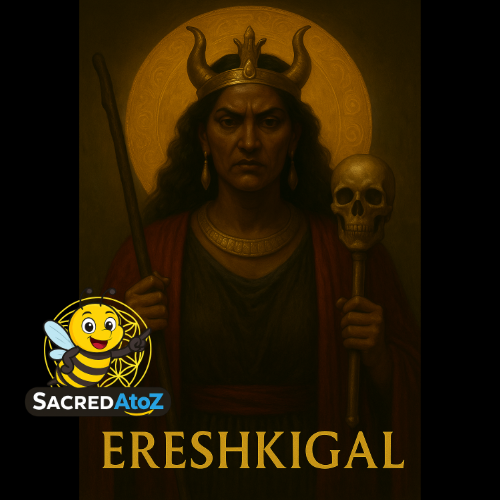
Sister: Ereshkigal (in some traditions), queen of the underworld
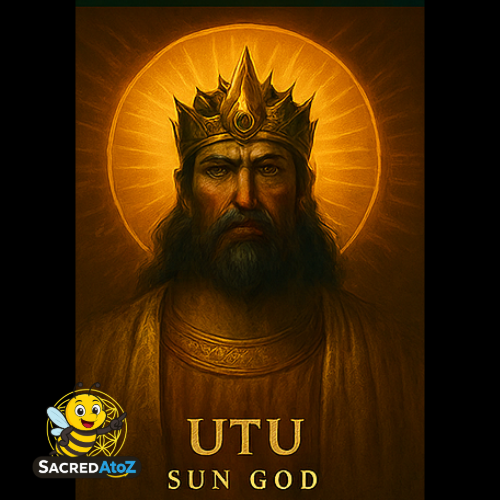
Brothers: Utu (Shamash), the sun god and divine judge
Divine Consort: Dumuzid (Tammuz), the shepherd king and vegetation god
Sacred Partnerships: Various mortal kings through the sacred marriage ritual
Divine Descendants: Various minor deities associated with love, war, and fertility
Inanna's relationship with Dumuzid represents one of the most psychologically complex divine partnerships in ancient literature, embodying the eternal tension between the forces of growth and decay, presence and absence, love and sacrifice that govern both agricultural cycles and human relationships. Their courtship, as recorded in the sacred love songs, depicts a relationship of equals who choose each other through mutual attraction rather than divine arrangement, yet their union ultimately becomes a cosmic tragedy that establishes the fundamental pattern of seasonal death and rebirth.
The sacred marriage between Inanna and Dumuzid served as the archetypal model for the hieros gamos—the ritual union between goddess and king that renewed the fertility of the land and legitimized royal authority. Through this marriage, Inanna's divine sexuality became a cosmic force that could bestow or withdraw the blessings of fertility, prosperity, and political stability. The king who united with Inanna's representative became her earthly consort, gaining divine authority but also accepting the ultimate sacrifice that such union demanded.
Yet their relationship is marked by a fundamental instability that reflects the paradoxical nature of Inanna herself. Her love for Dumuzid is genuine and passionate, but her divine nature demands constant transformation and renewal, making permanent union impossible. Their annual cycle of union and separation established the mythic foundation for understanding how divine love operates—not as static possession but as dynamic exchange that requires both ecstasy and sacrifice.
The tragic conclusion of their relationship, when Inanna condemns Dumuzid to take her place in the underworld, demonstrates the terrible cost of divine love. Yet this apparent betrayal serves a cosmic purpose, establishing the seasonal cycle that ensures agricultural renewal while teaching the profound lesson that even divine love must sometimes serve larger cosmic necessities.
Authority: Inanna wielded power that transcended traditional divine categories, ruling simultaneously over love and war, fertility and destruction, urban civilization and natural wildness. Her authority was not inherited but claimed through audacious acts of divine conquest—the theft of the me, the descent to the underworld, the establishment of sacred kingship through divine marriage. She demonstrated that feminine divine power could be as expansive and transformative as any cosmic force, challenging the patriarchal assumptions that had previously limited goddess authority to supportive or subsidiary roles.
Wisdom: Her intelligence was intuitive and transformative rather than analytical or conservative. Inanna possessed the wisdom of desire—the profound understanding that authentic power comes from knowing what one truly wants and having the courage to pursue it regardless of cosmic convention. Her wisdom was expressed through strategic cunning, erotic intelligence, and the profound insight that transformation often requires the willingness to risk everything, including one's existing identity and status.
Desire: Inanna's desires were as vast and varied as human experience itself. She desired sexual pleasure and romantic love, military conquest and political authority, agricultural abundance and urban sophistication, divine respect and mortal worship. Her desires were never modest or limited but cosmic in scope, driving her to attempt conquests that other deities considered impossible or inappropriate. She taught that divine desire should be expansive rather than restrictive, transformative rather than conservative.
Wrath: When Inanna's anger was aroused—by rejected love, challenged authority, or violated honor—her vengeance was swift, creative, and devastating. She could withdraw fertility from the land, inspire destructive passion in mortals, or unleash military catastrophe upon those who opposed her. Her wrath was the divine response to any attempt to limit or contain her expansive nature, demonstrating that feminine divine power, when threatened, could be as destructive as any masculine force.
Inanna's relationships extended far beyond her marriage to Dumuzid, encompassing both divine affairs and sacred partnerships with mortal rulers. Her divine liaisons often served to establish new forms of cosmic authority or to challenge existing power structures. Through her relationships with various sky gods, earth deities, and underworld powers, she wove herself into every aspect of the cosmic order, ensuring that her influence extended throughout all realms of existence.
Her partnerships with mortal kings through the sacred marriage ritual produced both symbolic and literal offspring—the divinely legitimized dynasties that ruled Mesopotamian city-states under her protection. These relationships established the principle that earthly authority must be renewed through divine union, making political power dependent upon the goddess's continued favor and sexual availability.
Her children, when mentioned in the texts, typically personify specific aspects of her complex nature—deities of erotic love, warfare, agricultural fertility, or urban craftsmanship. Each offspring represents a different way that Inanna's transformative power manifests in the world, ensuring that her influence touches every aspect of human civilization.
The Theft of the Me: In one of her most celebrated exploits, Inanna visited her great-uncle Enki in his temple at Eridu and, through a combination of sexual charm, clever conversation, and generous amounts of beer, convinced him to give her the me—the fundamental principles that govern civilization. These divine ordinances included everything from kingship and priesthood to craftsmanship and sexual union. Despite Enki's later attempts to retrieve them, Inanna successfully transported the me to her city of Uruk, making it the center of human civilization and establishing herself as the divine patron of cultural development.
The Descent to the Underworld: Inanna's journey to the underworld represents one of the most psychologically profound myths in ancient literature. Ostensibly traveling to attend the funeral of Gugalanna, the Bull of Heaven, Inanna descended through the seven gates of the underworld, being stripped of her divine attributes at each threshold until she stood naked and powerless before her sister Ereshkigal. Her death and resurrection, accomplished through the intervention of loyal servants and the sacrifice of Dumuzid, established the archetypal pattern of death and rebirth that would influence mystery religions throughout the ancient world.
The Sacred Marriage and Seasonal Renewal: The cycle of myths describing Inanna's courtship, marriage, and tragic loss of Dumuzid established the theological foundation for the sacred marriage ritual that legitimized Mesopotamian kingship. These stories demonstrate how divine love operates as a cosmic force that can bestow fertility and prosperity but also demands ultimate sacrifice. The annual reenactment of these myths through ritual drama ensured the renewal of agricultural cycles and political authority.
Inanna's worship centered on her magnificent temple complex at Uruk, the Eanna ("House of Heaven"), which served as both religious sanctuary and economic center for one of the world's first major cities. Her temple was staffed by an elaborate hierarchy of priests and priestesses who performed the various rituals necessary to maintain her favor and ensure the prosperity of the community.
The sacred marriage ritual (hieros gamos) represented the culmination of her worship, typically performed annually by the king and high priestess representing Inanna and Dumuzid. This ceremony involved elaborate courtship rituals, sacred dramas reenacting mythic episodes, and the consummation of divine union that was believed to renew the fertility of the land and the legitimacy of royal authority.
Her priesthood included both male and female clergy, with some serving as sacred prostitutes (qadishtu) who channeled the goddess's erotic power in service to the community. These rituals understood sexual union as a form of divine communion, a way of participating in the cosmic forces that generate and sustain life.
Her sacred symbols included the eight-pointed star (representing the planet Venus), the lion (symbolizing her martial power), and the reed bundle (connecting her to marshland fertility). Her festivals celebrated both the agricultural year and the cycles of Venus as morning and evening star, linking celestial phenomena to earthly prosperity.
Inanna's influence on Mesopotamian thought about power, sexuality, and transformation was revolutionary and enduring. She established the principle that feminine divine authority could be as expansive and transformative as any cosmic force, challenging traditional limitations on women's religious and political roles. Her myths provided theological justification for women's participation in religious leadership and political authority.
Her association with both love and war influenced philosophical thinking about the relationship between creation and destruction, demonstrating that the same divine force that generates life also has the power to end it. This paradox became fundamental to Mesopotamian understanding of divine nature—that authentic power must encompass both creative and destructive capacities.
Her theft of the me and their distribution to human civilization established the principle that cultural development represents a form of divine rebellion—that human progress often requires challenging traditional cosmic order and claiming new forms of authority. This concept influenced later traditions about the relationship between divine and human knowledge.
Her descent to the underworld and resurrection provided the archetypal pattern for mystery religions throughout the ancient world, establishing the possibility of spiritual transformation through symbolic death and rebirth. This myth demonstrated that even divine beings must sometimes sacrifice their existing identity to achieve greater power and understanding.
In Mesopotamian art, Inanna appears as a beautiful, powerful goddess wearing the horned crown of divinity and elaborate robes befitting her royal status. She is frequently depicted with her sacred symbols—the eight-pointed star, the lion, and the rod and ring of divine authority. Her artistic representations emphasize both her erotic appeal and her martial power, often showing her as a warrior goddess armed for battle or as a seductive queen receiving worshippers.
The famous Warka Vase depicts processions bringing offerings to Inanna's temple, showing her receiving tribute from both divine and human supplicants. Cylinder seals frequently show her in scenes of divine investiture, granting authority to mortal rulers through sacred marriage or divine blessing.
Later artistic traditions emphasized her role as the planet Venus, depicting her with stellar symbols and celestial attributes. Her identification with Ishtar in Babylonian and Assyrian art led to increasingly elaborate depictions of her divine splendor and cosmic authority.
Modern interpretations often focus on her role as an early example of feminine divine power that refused traditional limitations. Contemporary artistic depictions frequently explore themes of female empowerment, sexual liberation, and the courage required to challenge established authority structures. She appears in modern art as both ancient goddess and contemporary symbol of women's struggle for equality and self-determination.
"When Venus blazes in the dawn sky and passion stirs in mortal hearts, when the lion roars and the lover sighs, Lady Inanna rises with the power to transform earth and heaven."
O Inanna, Queen of Heaven and Earth, Lady of Myriad Offices,
You who stole the powers of civilization and gave them to humanity,
Grant us the courage to claim our rightful authority,
The wisdom to balance love with strength,
And the transformative power to become who we are meant to be.
May your eight-pointed star guide our ambitions,
Your lion's strength defend our boundaries,
And your eternal dance between worlds teach us that true power
Comes from embracing both creation and destruction.
Bright goddess, illuminate our path to authentic authority.
