


Aztec Gods
Aztec
Gods & Deities 10
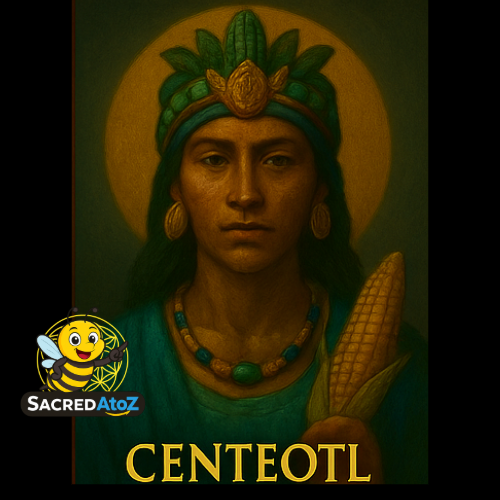
Centeotl
Maize God
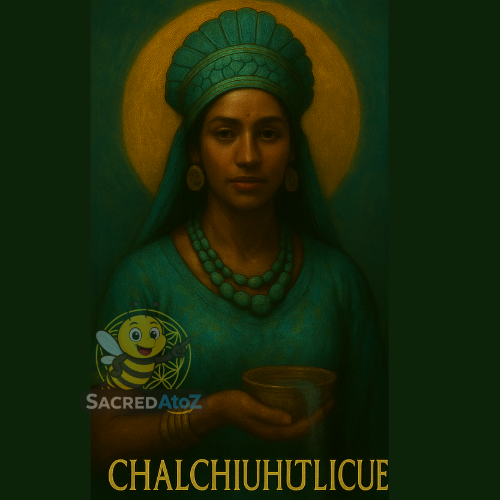
Chalchiuhtlicue
Goddess of Rivers and Birth
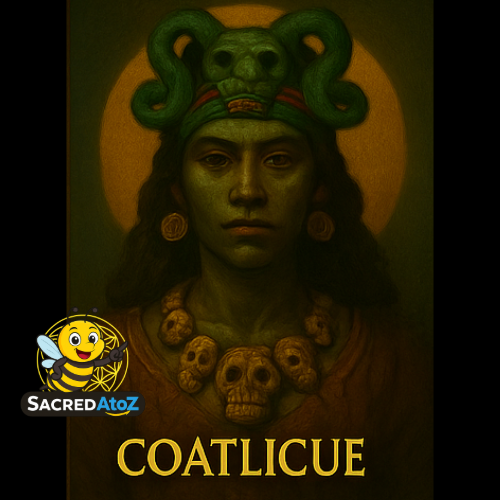
Coatlicue
Mother of Gods
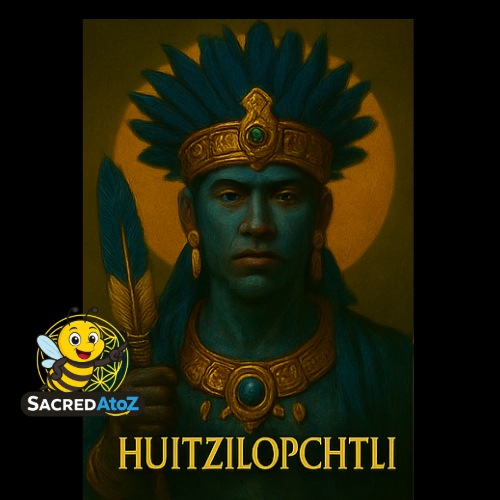
Huitzilopochtli
God of the Sun and War
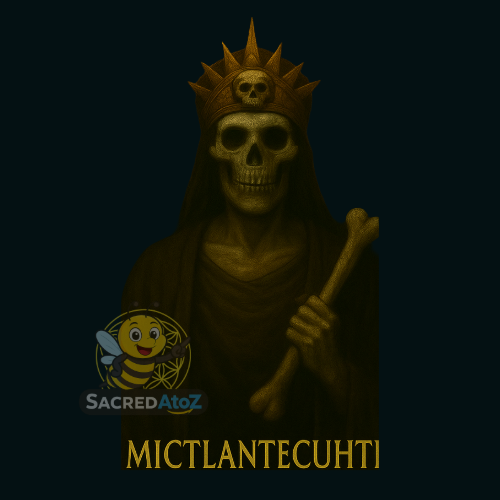
Mictlantecuhtli
Lord of the Underworld
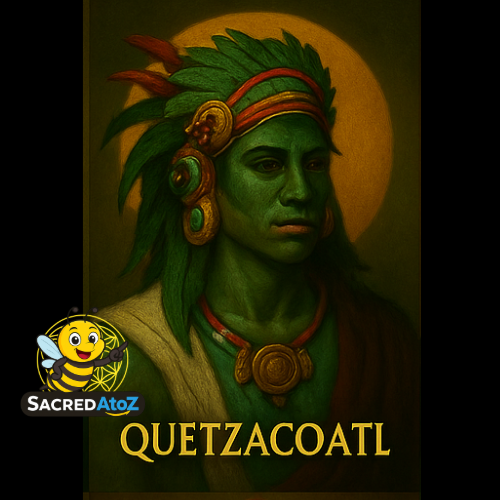
Quetzalcoatl
Feathered Serpent
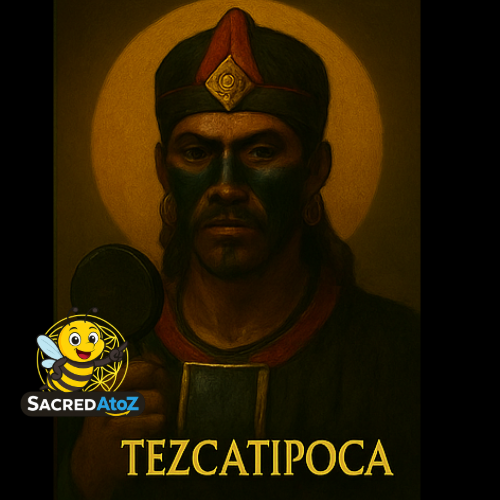
Tezcatlipoca
God of Night and Destiny
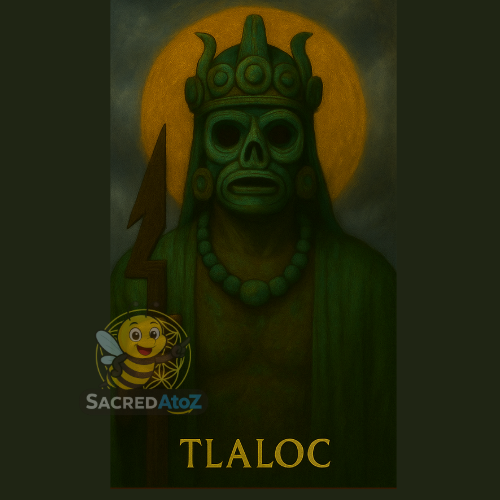
Tlaloc
Rain God

Tonatiuh
Sun God of the Fifth Age
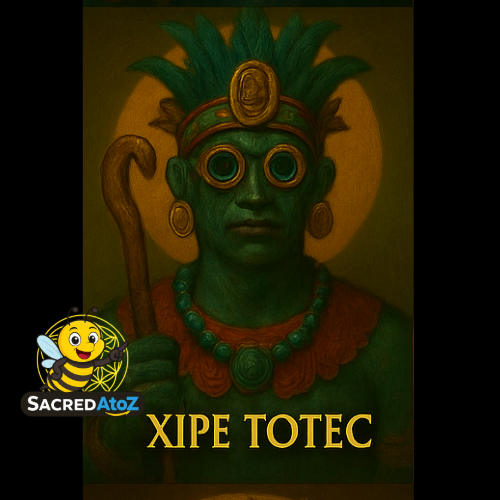
Xipe Totec
Flayed God of Renewal
Description
The Aztec Gods form a vast and intricate pantheon rooted in the cosmology of the Mexica people, who dominated central Mexico before the Spanish conquest. These deities embody elemental forces, celestial bodies, and human experiences, often expressed through dualities such as life and death, creation and destruction, and order and chaos.
Cosmic Forces & Dualities
- Aztec deities often represent opposing yet complementary forces—light and darkness, fertility and sacrifice, war and renewal.
- Major gods include Quetzalcoatl (Feathered Serpent, god of wind and wisdom), Tezcatlipoca (god of fate and sorcery), Tlaloc (rain god), Huitzilopochtli (sun and war god), and Tonatiuh (the Fifth Sun).
Spiritual Concepts
- Tōnalli: A vital energy linked to the sun and personal destiny, believed to reside in the head.
- Teotl: A divine essence or sacred force that permeates all things—similar to the Yoruba concept of Aṣẹ.
- Calendrical Cycles: Aztec religion is deeply tied to sacred calendars (Tōnalpōhualli and Xiuhpōhualli), which guide rituals and divine influence.
Cultural Reach
Aztec mythology influenced later Mesoamerican cultures and continues to inspire art, literature, and spiritual practice. Its themes of sacrifice, transformation, and cosmic struggle resonate across generations, offering insight into indigenous Mexican identity and worldview.
Aztec Gods Creation Myth
The Aztec creation myth is a sweeping cosmic narrative that divides the history of the universe into five distinct epochs, each ruled by a different sun and marked by divine sacrifice, elemental upheaval, and the rebirth of humanity. This myth, known as the Legend of the Five Suns, reflects the Aztec worldview: cyclical time, sacred duty, and the necessity of sacrifice to sustain cosmic order.
The Primordial Void and Divine EmergenceBefore creation, there was only Ometeotl, a dual god embodying both masculine and feminine energies. From this divine unity emerged the first gods, who shaped the heavens, the earth, and the underworld. The universe was a vast, formless void until the gods began to organize its structure. They created Tlalocan, the paradise of rain and fertility; Mictlan, the realm of the dead; and the earthly plane where humans would eventually dwell.
The First Sun – Jaguar Sun (Nahui Ocelotl)The first age was ruled by Tezcatlipoca, the god of night, sorcery, and destiny. He created giants to populate the earth, but they displeased the gods. In a fit of divine wrath, Tezcatlipoca transformed into a jaguar and unleashed a horde of jaguars to devour the giants, ending the first sun in blood and darkness.
The Second Sun – Wind Sun (Nahui Ehecatl)The second age was governed by Quetzalcoatl, the Feathered Serpent and god of wind, wisdom, and creation. He formed a new race of humans, but they were swept away by massive hurricanes. Those who survived were transformed into monkeys, symbolizing chaos and regression. This sun ended in a storm of divine breath.
The Third Sun – Rain Sun (Nahui Quiahuitl)The third sun was ruled by Tlaloc, the god of rain and fertility. His reign was disrupted when his wife, Chalchiuhtlicue, was stolen by Tezcatlipoca. In grief and rage, Tlaloc sent down fire instead of rain. The world was consumed by burning stones and volcanic fury. Survivors became birds, fleeing the scorched earth.
The Fourth Sun – Water Sun (Nahui Atl)The fourth age belonged to Chalchiuhtlicue, goddess of rivers, lakes, and purification. She ruled with compassion, but Tezcatlipoca accused her of false kindness. Heartbroken, she unleashed a great flood that drowned the world. Humans were transformed into fish, and the sun was extinguished beneath the waves.
The Fifth Sun – Movement Sun (Nahui Ollin)The current age—the Fifth Sun—is ruled by Tonatiuh, the sun god of war and sacrifice. To create this sun, the gods gathered in Teotihuacan, the sacred city of divine origin. They built a great fire and asked for volunteers to leap into it. The humble, diseased god Nanahuatzin offered himself and became the blazing sun. The wealthy god Tecuciztecatl hesitated, and when he finally jumped, he became the pale moon.
But the sun remained motionless. To set it in motion, the gods sacrificed themselves, offering their divine blood to animate the cosmos. This act established the Aztec belief that human blood is the sacred fuel of the universe. Without offerings, the sun would cease to rise, and the world would fall into darkness.
Symbolism and Sacred DutyThe myth teaches that creation is not a one-time event but a cycle of destruction and renewal. Each sun represents an elemental force—earth, wind, fire, water, and movement—and each age ends in catastrophe, only to be reborn through sacrifice. The gods themselves are not omnipotent—they must give of themselves to sustain life.
This worldview shaped Aztec society. Ritual sacrifice was not cruelty—it was cosmic responsibility. Warriors captured in battle were honored as offerings. Priests performed ceremonies to maintain balance. Every heartbeat echoed the rhythm of Tonatiuh’s journey across the sky.
Cultural LegacyThe Legend of the Five Suns is more than myth—it’s a spiritual blueprint. It explains the origin of time, the fragility of existence, and the sacred bond between gods and humans. It links celestial motion to moral duty and embeds cosmic law into daily life.
Even after the fall of the Aztec empire, this myth endures. It lives in Nahuatl oral traditions, codices, murals, and modern reinterpretations. It inspires artists, educators, and spiritual seekers across the world. It reminds us that creation is a gift—and a responsibility.
